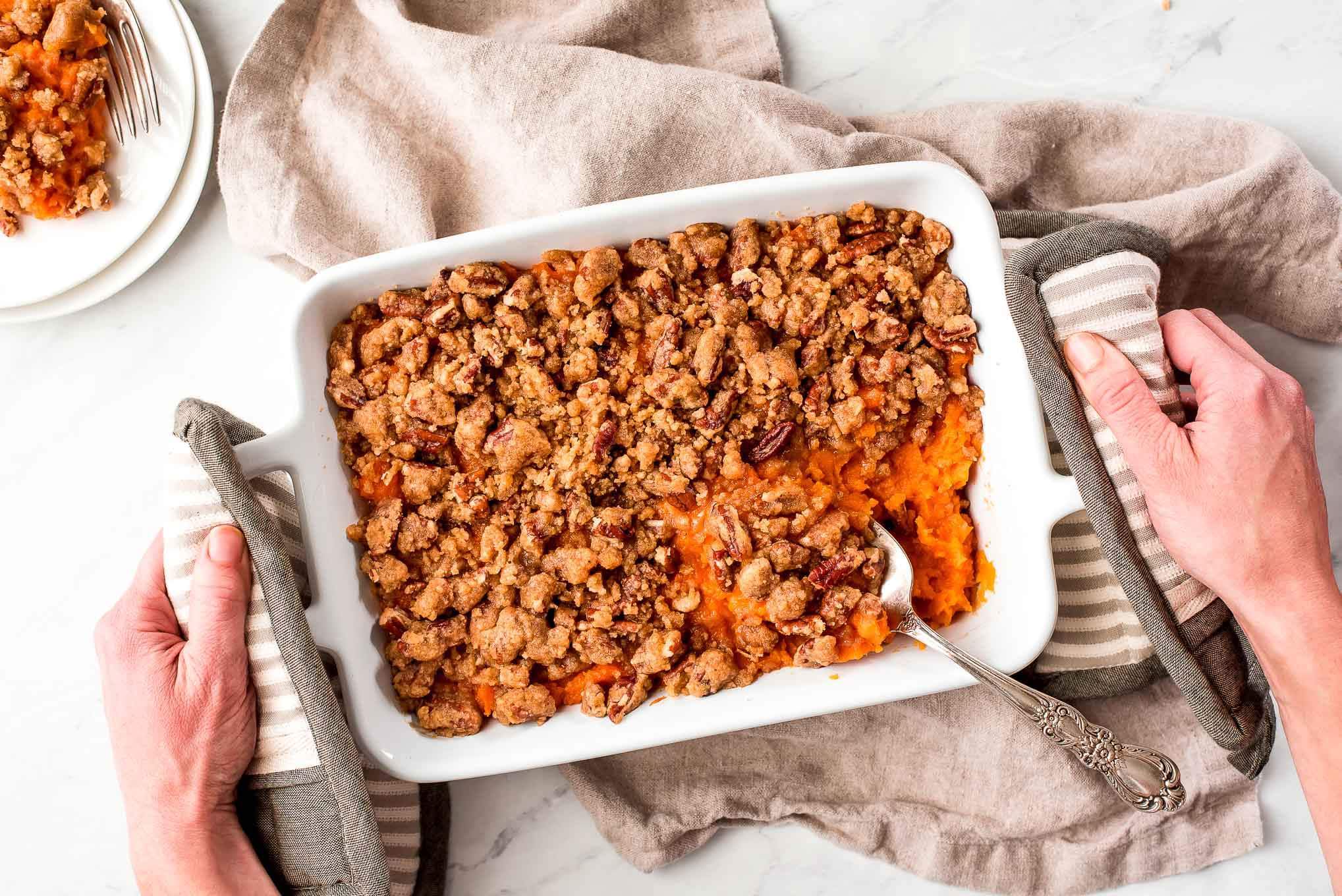
Diabetes-Friendly Sweet Potato Casserole: A Healthier Holiday Treat for Everyone
As the holiday season draws near, certain dishes evoke cherished memories and become non-negotiable staples on our festive tables. For many, a creamy, sweet sweet potato casserole with its signature topping is precisely one such tradition. The aroma alone can transport us back to childhood gatherings, the laughter, and the warmth of family. However, for those managing diabetes or simply seeking a more health-conscious approach to holiday eating, the traditional version, often laden with sugar, can present a challenge.
But what if you could enjoy that beloved classic without guilt? Imagine a version of sweet potato casserole that retains all its comforting flavor and texture, yet is mindfully prepared to be a diabetes-friendly choice. This article delves into creating a healthier holiday sweet potato casserole, demonstrating that a lighter touch doesn't mean less delicious. We'll explore how simple modifications can transform this traditional favorite into a delightful and nourishing addition to your holiday spread, proving that health and indulgence can indeed go hand-in-hand.
Reimagining a Classic: The Healthier Sweet Potato Casserole Philosophy
The secret to a diabetes-friendly sweet potato casserole lies in understanding and leveraging the natural goodness of its primary ingredient: the sweet potato itself. Sweet potatoes (Ipomoea batatas) are nutritional powerhouses, rich in fiber, vitamins (especially A and C), and antioxidants. Their natural sweetness means they require less added sugar to taste delicious. Fiber, in particular, is a game-changer for blood sugar management, helping to slow the absorption of glucose and promote satiety.
Our approach to modifying this cherished holiday dish involves strategic adjustments without compromising its iconic appeal. The core idea is to significantly reduce the added sugars in the creamy filling, letting the sweet potatoes' inherent flavor shine. While some traditional recipes call for substantial amounts of brown sugar or maple syrup in the mash, a diabetes-friendly version focuses on moderation. The goal is a "not-too-sweet" filling that still delivers that comforting richness. And for those who can't imagine a sweet potato casserole without its iconic toasted marshmallow crown? We believe in balance and enjoyment, so the nostalgic marshmallow topping can still be part of the experience, enjoyed in mindful serving sizes. The EatingWell guidelines, for instance, classify such a thoughtfully modified recipe as a diabetes-friendly option, emphasizing that all foods can be savored in moderation.
By focusing on less added sugar, leveraging the nutritional benefits of sweet potatoes, and practicing portion control, you can create a sweet potato casserole that satisfies your cravings and aligns with your health goals.
Crafting Your Diabetes-Friendly Sweet Potato Casserole: Ingredients & Preparation Insights
Creating a healthier sweet potato casserole is surprisingly straightforward, relying on simple, wholesome ingredients and careful preparation. Here’s a breakdown of what you’ll need and how to bring it all together:
- The Sweet Potato Base: Opt for fresh, firm sweet potatoes. Baking or boiling them until fork-tender is crucial for achieving that incredibly creamy, smooth filling. Mash them thoroughly, perhaps with a potato ricer for an extra silky texture. This forms the canvas for your healthier masterpiece.
- Mindful Sweetening: This is where the primary modification occurs. Instead of cups of sugar, use a modest amount of brown sugar – just enough to enhance the natural sweetness of the potatoes without overwhelming it. Consider incorporating natural sweeteners like a touch of cinnamon, nutmeg, or even a tiny splash of pure maple extract, which can trick the palate into perceiving more sweetness without adding significant sugars.
- Fats for Flavor: A tablespoon or two of quality butter adds richness and mouthfeel that's hard to replicate. While keeping the overall fat content in mind, a small amount is essential for that classic savory-sweet balance.
- Aromatic Accents: Vanilla extract is non-negotiable, infusing the casserole with a warm, inviting aroma. Don't shy away from warming spices like ground cinnamon, a pinch of nutmeg, or even a touch of ginger. These spices not only add depth of flavor but also have their own health benefits and can enhance the perception of sweetness.
- Crunchy Pecans: Toasted pecans are a fantastic addition, providing a delightful textural contrast and a boost of healthy fats and fiber. They add a nutty depth that complements the sweet potatoes beautifully. Ensure they are lightly toasted before adding them to the topping or mixing them into the filling for maximum flavor.
- The Nostalgic Topping: If marshmallows are a must-have for your family's sweet potato casserole, remember the key is moderation. A light layer, toasted to golden perfection, can provide that beloved crisp-chewy texture without overdoing the sugar content of the entire dish. Alternatively, a crumbly pecan streusel (made with a small amount of whole wheat flour, butter, and a touch of brown sugar) can offer a wonderful crunch with fewer simple sugars.
The preparation involves combining the mashed sweet potatoes with the butter, reduced sugar, vanilla, and spices until creamy. Transfer this mixture to a baking dish, top as desired with pecans and/or marshmallows, and bake until heated through and the topping is golden and caramelized. The process is clear and easy, ensuring success even for novice bakers, resulting in a dish that truly strikes a perfect balance of sweet and savory, creamy and delightfully crisp.
Beyond the Plate: Tips for Enjoyment and Variation
Part of enjoying any dish, especially a modified one, is understanding how to integrate it into your overall diet. For a diabetes-friendly sweet potato casserole, mindful consumption is key:
- Portion Control is Paramount: Even a healthier dish should be enjoyed in appropriate serving sizes. Be mindful of your plate and balance your casserole portion with other nutritious holiday offerings like lean proteins and plenty of non-starchy vegetables.
- Creative Flavor Twists: Don't be afraid to experiment!
- Citrus Zest: A little orange or lemon zest can brighten the flavor profile and add a sophisticated tang.
- Spiced Up: A pinch of cardamom, allspice, or even a hint of ground ginger can introduce new aromatic dimensions.
- Nutty Alternatives: While pecans are classic, consider walnuts or even toasted slivered almonds for variety.
- Savory Undertones: For a more adventurous twist, a tiny pinch of sage or a hint of smoked paprika could introduce an unexpected savory depth that pairs wonderfully with sweet potatoes.
- Topping Innovations: If marshmallows aren't your preference, consider a crunchy topping made from rolled oats, a minimal amount of brown sugar, cinnamon, and a pat of butter, baked until golden. Toasted coconut flakes can also provide a tropical twist.
- Make-Ahead Magic: Sweet potato casserole is an excellent make-ahead dish. Prepare the filling the day before, store it in the refrigerator, and then assemble and bake on the day of your gathering. This reduces stress during busy holiday preparations.
This sweet potato casserole recipe isn't just for the holidays; its comforting appeal makes it a keeper recipe for the whole year. It's proof that delicious food can also be good for you.
A Timeless Treat: The Rich History of Sweet Potato Casserole
While we focus on modern adaptations, it's worth acknowledging the deep roots of sweet potato casserole. This dish is far more than just a holiday side; it's a testament to resilience, cultural fusion, and culinary evolution. Originating in the Southern United States, the sweet potato itself has a long and significant history in the region, cultivated by Native Americans long before European arrival. Later, it became a vital staple for enslaved Africans, serving as a substitute for yams from their homeland, weaving indigenous and African culinary influences into the fabric of Southern cooking traditions.
The modern casserole form emerged in the early 20th century, evolving from simpler candied sweet potato recipes. The iconic marshmallow topping, a hallmark of many contemporary versions, was first documented around 1917, developed by home economist Janet McKenzie Hill for the Angelus Marshmallow Company to promote their product. By the mid-20th century, the sweet potato casserole had solidified its place as a beloved Thanksgiving staple across the United States, particularly in the South where sweet potatoes thrive. Understanding this rich heritage only adds to the enjoyment of each thoughtfully prepared bite, connecting us to generations of culinary tradition. For a deeper dive into its fascinating past, read more about the Southern Sweet Potato Casserole: A Dish Forged in History & Heritage.
Embrace the spirit of the holidays with a dish that honors tradition while embracing wellness. This diabetes-friendly sweet potato casserole demonstrates that deliciousness and health can harmoniously coexist, making your festive table a place of joy, flavor, and mindful indulgence for everyone.
