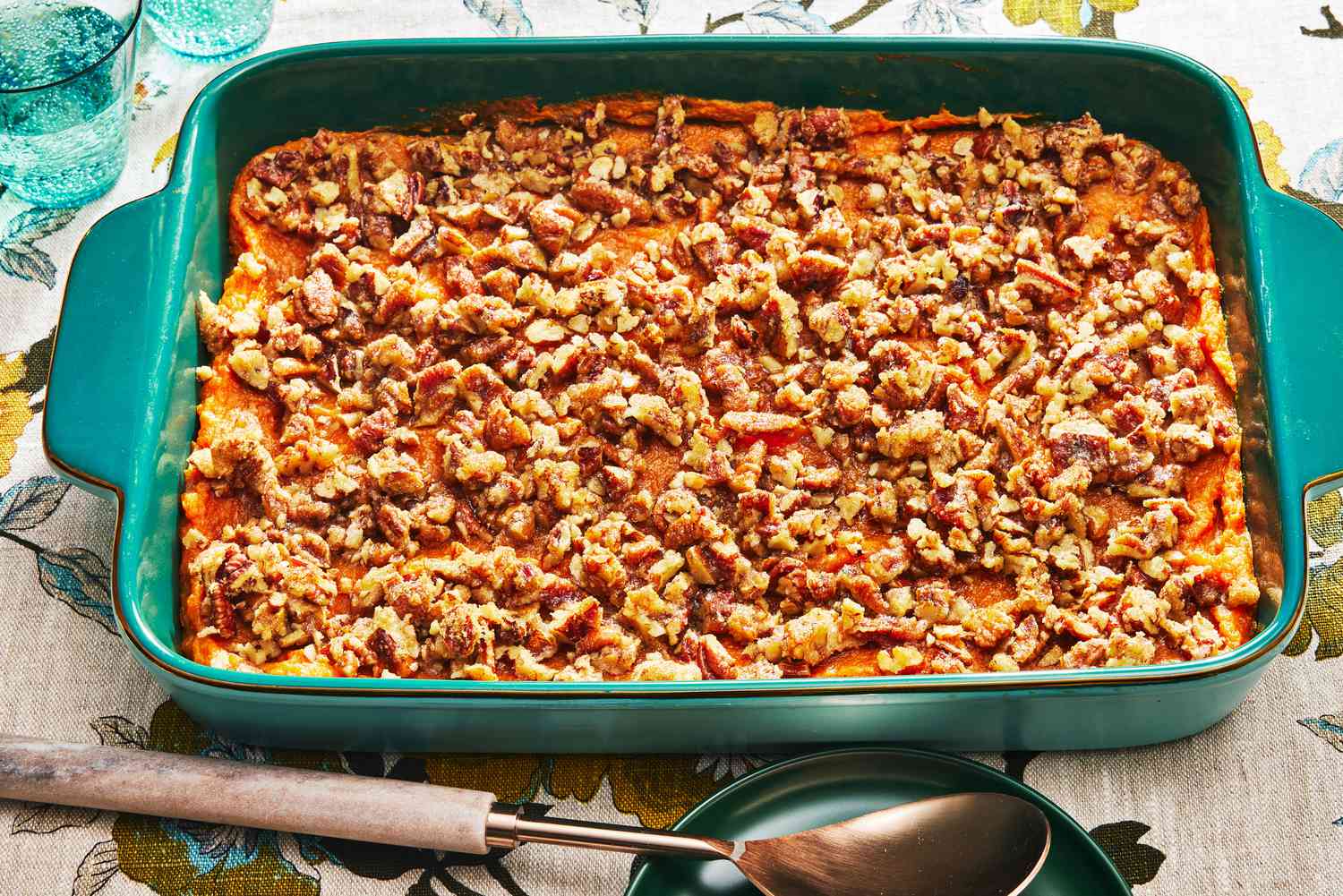
Southern Sweet Potato Casserole: A Culinary Journey Through History and Heritage
The holiday table, particularly in the American South, tells a story of tradition, comfort, and deep-rooted history. Among the most cherished dishes, the
sweet potato casserole stands as a vibrant testament to this legacy. More than just a side dish, it's a culinary icon, celebrated for its creamy, spiced interior and its often-decadent topping, whether it's a golden crown of toasted marshmallows or a crunchy streusel of pecans. This beloved
sweet potato casserole isn't merely a festive offering; it's a dish forged in the rich tapestry of Southern heritage, embodying resilience, adaptation, and the sweet warmth of home.
A Deep-Rooted History: From Indigenous Fields to Holiday Tables
The story of the
sweet potato casserole begins long before it ever graced a holiday spread. Its foundation, the sweet potato (
Ipomoea batatas), is native to Central and South America and was cultivated by Indigenous peoples for millennia before European arrival. Flourishing in the warm climate and sandy soils of the American South, these nutritious tubers became a staple crop.
However, the dish's distinct Southern character was profoundly shaped by the culinary traditions of enslaved Africans. For many, sweet potatoes served as a vital substitute for the yams of their homeland, becoming an integral part of their diet and an ingredient around which new dishes were created, blending indigenous and African culinary influences. This cultural fusion laid the groundwork for many Southern culinary staples, including the predecessors of what we now know as
sweet potato casserole. Early recipes for "candied sweet potatoes" dating back to the late 1800s highlight this foundational cooking.
The modern casserole form, with its signature baked structure, emerged in the early 20th century. A pivotal moment occurred in 1917 when home economist Janet McKenzie Hill, working for the Angelus Marshmallow Company, published a recipe that famously incorporated marshmallows as a topping. This innovative move transformed a simple vegetable dish into an indulgent, celebratory creation, solidifying its place as a beloved Thanksgiving staple across the United States, especially in the South. This historical evolution underscores how the
sweet potato casserole represents themes of cultural resilience and ingenuity, sustaining communities through significant historical periods like the American Revolution and Civil War.
The Anatomy of a Perfect Sweet Potato Casserole: Creamy, Crunchy, and Comforting
What makes a truly exceptional
sweet potato casserole? It's a symphony of textures and flavors, carefully balanced to evoke comfort and joy. At its heart lies the creamy sweet potato base, a luscious foundation that carries the dish's soul.
Traditionally, boiled or roasted sweet potatoes are mashed until velvety smooth, then enriched with ingredients like butter, brown sugar, and a hint of vanilla. Spices such as cinnamon, nutmeg, and sometimes a whisper of allspice or ginger, infuse the mixture with a comforting warmth. Some variations include eggs to bind the mixture and add richness, creating a custard-like consistency. Modern interpretations, recognizing the inherent sweetness of the sweet potato itself, often reduce the added sugar in the filling, allowing the natural flavors of the fiber-rich, inflammation-lowering sweet potatoes to shine. This approach offers a healthier twist without sacrificing flavor, making it possible to enjoy this holiday favorite in moderation, even for those mindful of their sugar intake. For more insights on making this dish a mindful choice, explore our guide on
Diabetes-Friendly Sweet Potato Casserole: A Healthier Holiday Treat.
Then comes the quintessential topping – a delicious dilemma for many. Some swear by the nostalgic charm of a fluffy marshmallow topping, which toasts to a golden, gooey perfection in the oven, creating a caramelized crust that contrasts beautifully with the creamy interior. Others prefer the sophisticated crunch of a pecan streusel. This topping typically combines chopped pecans with flour, brown sugar, butter, and sometimes oats or a touch more spice, baking into a delightfully crisp, buttery crumble. Both options offer a unique textural and flavor experience, catering to different preferences while maintaining the dish's status as a crowd-pleaser. The inclusion of pecans not only adds a delightful crunch but also a depth of nutty flavor that complements the sweet potatoes beautifully.
Crafting Your Own Timeless Sweet Potato Casserole
Whether you're a seasoned chef or a beginner looking to impress, mastering the
sweet potato casserole is a rewarding endeavor. The beauty of this dish lies in its adaptability and the ability to customize it to your liking.
Start with high-quality sweet potatoes. Roasting them instead of boiling can intensify their natural sweetness and depth of flavor. When mashing, aim for a consistently smooth texture, but don't be afraid to leave a few small lumps for rustic charm. Seasoning is key: don't shy away from spices, but taste as you go. A touch of orange zest can brighten the flavor profile, or a splash of bourbon can add an unexpected layer of warmth and sophistication.
For those balancing tradition with health, reducing the brown sugar in the filling is a simple modification. The natural sugars in sweet potatoes, especially when roasted, are often sufficient. If using marshmallows, a thin layer can still deliver that nostalgic joy without overwhelming the dish with sweetness. For a pecan streusel, ensure the pecans are fresh and fragrant for maximum impact.
This dish is also wonderfully amenable to make-ahead preparation, a boon during busy holiday seasons. You can assemble the sweet potato base a day or two in advance, refrigerate it, and then add your chosen topping and bake on the day of your gathering. This ensures that the
sweet potato casserole remains fresh and delicious while easing your holiday cooking stress.
Many families have their own "secret" ingredient or a specific way of preparing it, passed down through generations. These beloved family recipes, often perfected over years, become synonymous with holiday joy and togetherness. If you're looking for a recipe that consistently delights, especially with the younger ones, explore options that focus on simple, wholesome ingredients and clear, easy-to-follow instructions. For a truly unforgettable version that kids devour and adults ask for seconds, check out
Grandma's Best Sweet Potato Casserole: Easy, Creamy & Kid-Approved.
Why Southern Sweet Potato Casserole Endures
The enduring popularity of
sweet potato casserole, particularly in the South, is about more than just its delicious taste. It's a dish that carries the weight of history, the warmth of family gatherings, and the comfort of tradition. It represents resilience, the ability to adapt and thrive, and the rich cultural tapestry that defines Southern cuisine.
At every holiday table, whether it's Thanksgiving, Christmas, or Easter, this casserole acts as a delicious anchor, connecting generations. It's a reminder of shared meals, laughter, and the simple joy of coming together. From its humble origins in indigenous fields to its elevated status as a holiday centerpiece, the
sweet potato casserole remains a powerful symbol of heritage and heartfelt hospitality.
In every creamy bite, every crunchy pecan, and every toasted marshmallow, there's a taste of history, a memory of home, and the promise of future celebrations. This Southern classic isn't just food; it's a legacy, sweet and enduring, much like the traditions it helps to celebrate.